
Key Takeaways
- Ayahuasca-assisted therapy may help some people reduce substance cravings and address underlying trauma, especially when paired with screening, supervision, and post-ceremony integration support.
- Ayahuasca contains DMT and beta-carbolines (MAO inhibitors) that affect serotonin receptors and can trigger intense psychological experiences, including strong emotions and vivid visions.
- Many participants report new insight into the root causes of addiction, such as stress, depression, anxiety, and past trauma, which can support behavior change after the ceremony.
Overview
Hello everyone,
Sam Believ here, from LaWayra Retreat near Medellin. Today, I want to discuss how ayahuasca might play a role in overcoming substance addiction.
Substance addiction is a complex issue, deeply rooted in emotional, psychological, and sometimes physical factors. At LaWayra, we’ve seen how ayahuasca can serve as a catalyst for profound personal transformation, offering hope to those battling addiction.
Ayahuasca, a traditional Amazonian brew, has shown promise in aiding the treatment of substance addiction. Research indicates that it can improve serotonin activity, which helps regulate mood and cravings. People struggling with addiction to substances like alcohol and cocaine may find relief through ayahuasca therapy.
Participants in ayahuasca ceremonies often report gaining new insights into the root causes of their addiction. These experiences can reveal deep-seated emotional issues that conventional therapies sometimes fail to address. Many find a renewed sense of purpose and a shift in perspective, which supports their journey towards recovery.
Scientific interest in ayahuasca’s potential is growing, with studies highlighting its integrative approach, combining biological and spiritual dimensions. This holistic view underscores its unique position in the realm of addiction treatment, offering hope to those seeking alternatives beyond traditional methods.
Understanding Substance Addiction
Substance addiction is a complex brain disorder influenced by both biological and social factors. It involves changes in brain chemistry and structure, as well as psychological, social, and behavioral components.
The Science of Addiction
Addiction affects the brain’s reward system, altering the way people experience pleasure and leading to cravings. Drugs like alcohol, opioids, marijuana and stimulants increase dopamine levels, creating feelings of euphoria. Repeated use rewires the brain, making it harder to feel pleasure from everyday activities.
Another key aspect involves tolerance and withdrawal. Over time, individuals need more of the substance to achieve the same effect. When they stop using, their bodies react with withdrawal symptoms, which can be physically and mentally challenging.
High dopamine levels and altered brain pathways are central to understanding why stopping substance use is so tough. Neuroscientific studies highlight how brain changes persist even after quitting, making relapse a common part of recovery.
“I was using crack and meth—anything to escape. But when I drank ayahuasca, I saw a childhood memory that I had buried deep. That session changed how I viewed my addiction. It wasn’t just bad behavior; it was survival.”
— Pablo G., podcast guest
Psychological and Social Factors
Beyond brain chemistry, addiction has psychological roots. Stress, trauma, and mental health issues can drive people towards substance use as a coping mechanism. Depression and anxiety often coexist with addiction, complicating treatment.
Social factors also play a big role. Peer pressure, family dynamics, and socio-economic status can influence substance use. Environments where drug use is common can make abstaining more difficult.
Lack of social support and isolation often accompany addiction, making recovery harder. Family therapy and community support are essential in addressing these aspects and providing a holistic approach to treatment.
Combining biological, psychological, and social perspectives is crucial for understanding and effectively treating substance addiction. This integrated view helps form comprehensive treatment plans that address all facets of the disorder.
Origins of Ayahuasca

Ayahuasca has deep roots in the Amazon Basin, with a long history of use among indigenous and mestizo communities for both ritual and medicinal purposes. Its cultural significance remains strong today.
Historical Use
Ayahuasca is a traditional brew made from the Banisteriopsis caapi vine and often combined with Psychotria viridis leaves. Indigenous tribes in the Amazon have used this mixture for centuries. They believe it helps them communicate with nature and the spirits. Written accounts dating back to the 16th century describe its use in healing ceremonies and tribal rituals.
The blend contains DMT and β-carboline alkaloids such as harmine and harmaline. These compounds trigger altered states of consciousness. Researchers found that these ingredients work together to create the powerful psychoactive effects of ayahuasca.
Cultural Significance
Indigenous communities see ayahuasca as more than just a tool for healing. It holds substantial spiritual meaning. The brew plays a central role in ceremonies meant to connect people with their ancestors and the natural world.
Ayahuasca rituals often involve a shaman, who guides the participants through their experience. These ceremonies usually take place in a communal setting, emphasizing unity and shared understanding. Over time, ayahuasca has been integrated into various cultural practices across the Amazon Basin, adapting to the beliefs and traditions of different groups.
In modern times, the interest in ayahuasca has grown beyond its traditional use. People from various parts of the world now seek it for its potential therapeutic benefits, especially in treating substance addiction.
Ayahuasca as a Therapeutic Agent
Ayahuasca has shown promise in treating substance addiction through its unique psychoactive properties and therapeutic effects. Researchers have explored its impact on brain function and mental health.
Psychoactive Properties
Ayahuasca contains two primary compounds: DMT (dimethyltryptamine) and β-carboline alkaloids. DMT is a powerful hallucinogen, while β-carbolines act as MAO inhibitors, allowing DMT to be active when consumed orally. This combination affects serotonin receptors in the brain.
The impact of these compounds includes altered states of consciousness, intense introspection, and emotional processing. Ritual settings often enhance these effects, contributing to a deeply therapeutic experience. These properties can be essential for those struggling with addiction, as they allow for a new perspective on their behavior and underlying issues.
Research on Therapeutic Effects
Research has indicated that ayahuasca may aid in reducing cravings and withdrawal symptoms for those with substance addiction. Studies on participants with histories of severe dependence show significant benefits from ayahuasca-assisted therapy.
One study found that rituals involving ayahuasca helped individuals attain abstinence and adopt less harmful drug use patterns. Another research highlighted its potential against depression, often linked with addiction. These therapeutic effects are believed to result from the interplay of physiological and psychological changes induced by ayahuasca, aiding healing on multiple levels.
Treatment Process with Ayahuasca
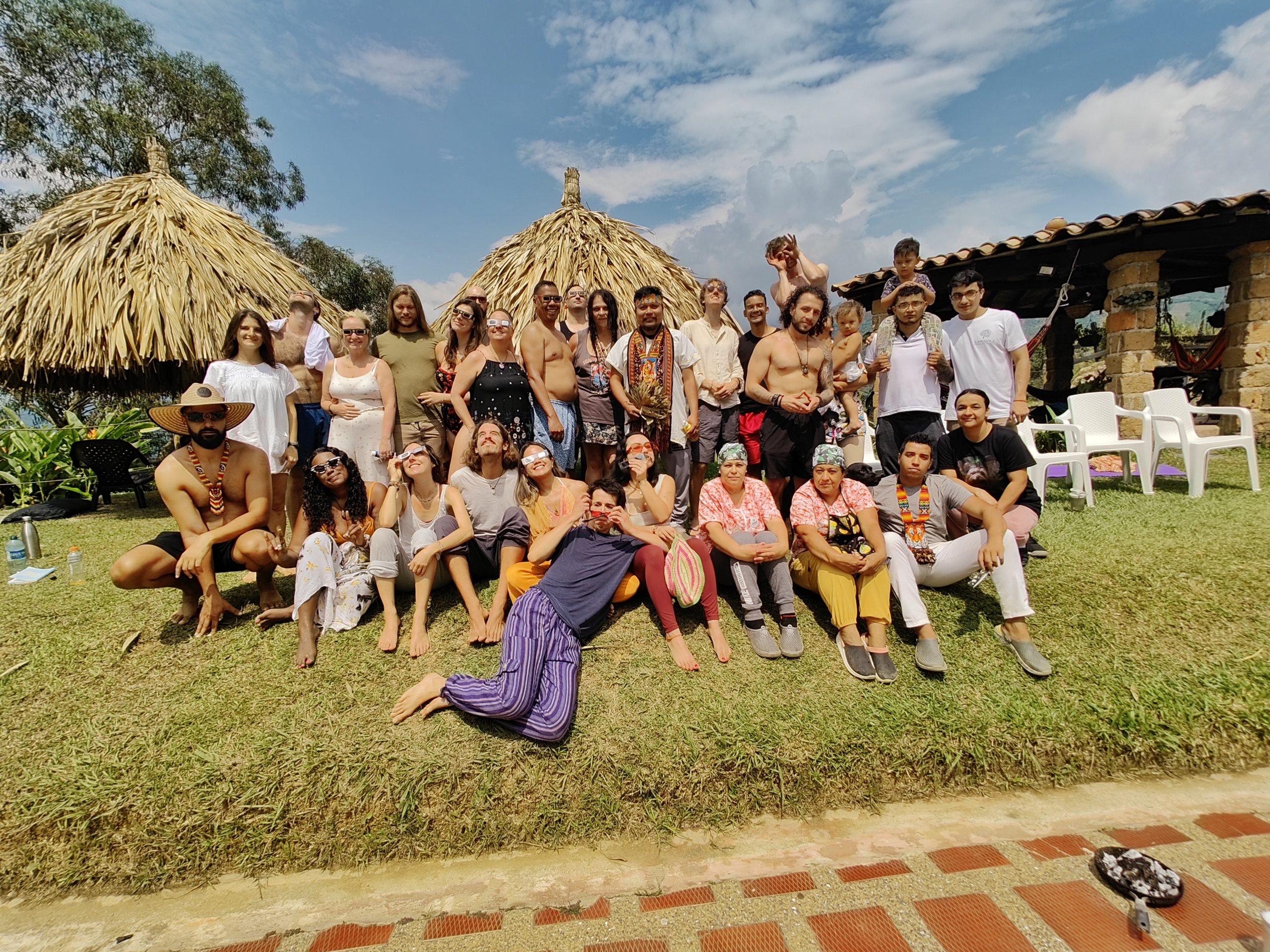
Ayahuasca-assisted treatment involves several crucial steps that aim to address substance addiction holistically. These include preparation before the therapy, the actual healing journey during the session, and post-session integration and aftercare.
Preparation for Therapy
Preparing for ayahuasca therapy is essential. Individuals usually undergo a period of physical and mental preparation. This often includes dietary restrictions, such as avoiding alcohol, caffeine, and processed foods. These restrictions help purify the body and mind, making the therapy more effective.
Therapists may also guide individuals through meditation, reflection, and setting personal intentions. They may review medical and mental health histories to ensure safety. The goal is to create a supportive and safe environment for the participant.
The Healing Journey
During the session, participants drink ayahuasca under supervision. This plant-based brew can induce powerful visions and deep emotional insights. Professional facilitators remain present to guide and support individuals through their experiences.
The session can last several hours. During this time, participants may confront personal traumas and emotional pain. They may experience intense physical sensations, both positive and challenging. The aim is to process and release these long-held issues.
“I threw up for hours, cried like I hadn’t in years, and then… I felt peace. For the first time in my life, I didn’t feel like I had to run. That was the moment I knew I could stay clean.”
— Ruth Ann, podcast guest
Integration and Aftercare
Post-session integration is crucial. Participants must reflect on their experiences and incorporate insights into their daily lives. Therapists may offer continued counseling and support to help navigate these changes.
Regular group meetings or follow-up sessions can provide additional help. Practicing meditation, journaling, and staying connected with supportive communities can also aid in maintaining the benefits of the therapy. The focus remains on sustaining long-term recovery and personal growth.
“The biggest impact was after the retreat. Integration taught me how to face life sober. I kept in touch with others from my group—we became our own little support circle. That saved me.”
— Samuel R., podcast guest
Legal and Ethical Considerations
The legal status of ayahuasca varies by country, reflecting a range of views about its cultural importance and potential therapeutic benefits. Ethical practices in treating substance addiction with ayahuasca involve respecting indigenous traditions and ensuring patient safety.
Regulatory Status
Ayahuasca’s legal status is inconsistent worldwide. Some countries, like Brazil and Peru, legally recognize its use in religious and traditional contexts. Other nations, including the United States and many European countries, generally consider it illegal due to its psychoactive compound, DMT.
Brazil: Ayahuasca is legal for religious use.
Peru: Recognized as part of cultural heritage, use is legal.
United States: Illegal, though some legal exceptions exist for religious groups.
Despite its illegality in several regions, interest in ayahuasca is growing due to its potential therapeutic effects. Legal-access groups and exemptions are sometimes granted for specific practices, often monitored and regulated to prevent misuse and abuse.
Ethical Practices in Treatment
Ethical considerations in ayahuasca-based treatments focus on respecting traditional use, ensuring safety, and avoiding exploitation. Practitioners need to be knowledgeable about the cultural significance of ayahuasca to prevent cultural appropriation and to offer treatments that honor its origins.
Respect for Tradition: Use should acknowledge indigenous practices and settings.
Patient Safety: Screening participants for mental health issues and contraindications is crucial.
Informed Consent: Patients should be fully informed about the potential risks and benefits.
Ethical practices also include environmental sustainability, as harvesting the plants used to make ayahuasca can impact local ecosystems. Transparent sourcing and collaboration with indigenous communities help ensure that practices remain ethical and sustainable.
Potential Risks and Side Effects

Ayahuasca use can lead to various physical and psychological side effects. While some are temporary and manageable, others may pose serious health risks.
Physical Health Concerns
One of the most reported physical effects of ayahuasca is vomiting and nausea. Approximately 70% of users experience these symptoms, which are considered a normal part of the cleansing process. Other common side effects include headaches and increased heart rate.
Less frequent, but potentially more severe, physical effects include sweating, tremors, and dizziness. There is also a risk of hypertension, which can be dangerous for individuals with pre-existing heart conditions. It’s important to note that these effects vary greatly among individuals.
Ayahuasca contains substances that interact with the brain’s neurochemistry. This interaction can sometimes lead to seizures or motor coordination issues. People with underlying health problems or on certain medications should consult a doctor before considering ayahuasca use.
Psychological Risks
Psychological effects can be profound and unpredictable. Some users report significant anxiety or panic attacks during or after the experience. The intense nature of the visions can sometimes lead to emotional distress.
Although some people find ayahuasca helpful for depression and addiction, it can also exacerbate these conditions. Paranoia and hallucinations are common side effects, which can be distressing.
Additionally, psychosis is a potential risk, especially for individuals with a history of mental illness. Prolonged use may cause lasting changes in perception or behavior. Participants in ayahuasca ceremonies must have strong mental health support systems in place.
Combining ayahuasca with other substances or medications can increase the risk of dangerous interactions. These psychological risks highlight the importance of careful preparation and integration after the experience.
Personal Testimonies
Individuals who have used ayahuasca as a tool for overcoming substance addiction often share powerful stories. These testimonies highlight various successes and challenges faced during their journeys.
Success Stories
Many individuals report significant improvements in their lives after participating in ayahuasca retreats. For example, ayahuasca users have experienced an increase in the quality of life, reduction in depressive symptoms, and a stronger spiritual connection.
Some have also noted a declining urge to use substances, leading to healthier lifestyles. A notable account includes a person who described ayahuasca as a “life-saving” tool that helped them escape the hold of addiction. Positive experiences often involve deep personal insights and a renewed sense of purpose.
“I came to LaWayra addicted to alcohol and feeling like I’d tried everything. The ceremonies were challenging but showed me how much self-hate I was carrying. I’m now two years sober, and still doing the inner work.”
— Review by Lucia T.
Challenges and Critiques
Despite many success stories, some users face challenges during and after their ayahuasca experiences. The process can be intense and emotionally draining. There have been instances where participants have experienced severe anxiety or physical discomfort during ceremonies.
Critics point out that ayahuasca may not be suitable for everyone, stressing the importance of understanding its effects and potential side effects. It’s also crucial to approach this treatment with caution, as it carries risks and is not universally accepted by all medical professionals. Readers should consider all aspects before making a decision.
Conclusions and Recommendations

Ayahuasca shows promise in treating substance addiction through its unique psychoactive properties and ritual contexts. Careful consideration and guidance can enhance its potential benefits for individuals seeking alternative treatments for addiction.
Summary of Benefits
Ayahuasca has shown promising results in treating addiction, particularly for substances like alcohol and cocaine. The brew’s psychoactive components, such as dimethyltryptamine (DMT) and beta-carbolines, play a crucial role. Studiesindicate that these compounds can reduce cravings and withdrawal symptoms.
Additionally, the ritual setting and supportive community around ayahuasca use can contribute to psychological healing. Participants often report a deep personal insight and emotional release, which are important steps in overcoming addiction. Dr. Gabor Maté’s work with ayahuasca has also highlighted its potential in group therapy settings, further enhancing its therapeutic benefits.
Guidance for Potential Users
Those considering ayahuasca for addiction treatment should seek experienced facilitators and reputable centers. The Takiwasi Center is one example where traditional and modern practices combine for holistic healing. It’s important to thoroughly research and choose the right environment to ensure safety and effectiveness.
Potential users must be aware of contraindications and possible risks. Ayahuasca can interact with certain medications and may not be safe for individuals with specific health conditions. Consulting with healthcare professionals before starting treatment is essential.
Lastly, integrating the experience through ongoing therapy and support groups can help maintain the progress made during sessions. This continuous support is key to lasting recovery and well-being.
“I honestly didn’t think I’d make it through the detox phase, but ayahuasca gave me a vision of my son’s face and told me I was worth saving. That stayed with me. I owe my sobriety to this medicine and the people at LaWayra.”
— Luis D., podcast guest
Frequently Asked Questions
This section addresses some of the most common questions about using Ayahuasca for addiction treatment. Topics include clinical evidence, integration with traditional treatments, potential risks, and legal considerations.
What clinical evidence supports the efficacy of Ayahuasca in treating addiction?
Studies indicate that Ayahuasca may help treat addiction by reducing cravings and improving mental health. Research has shown positive effects on individuals suffering from depression and PTSD, which can coincide with substance addiction.
Can Ayahuasca therapy be integrated with traditional substance abuse treatment modalities?
Many treatment centers are exploring the combination of Ayahuasca ceremonies with conventional therapy methods. This integrative approach aims to enhance the overall treatment effectiveness by addressing both physical dependency and psychological issues.
What are the potential risks of using Ayahuasca in the treatment of addiction?
Ayahuasca can cause short-term side effects like nausea, vomiting, and diarrhea. These are often referred to as part of the “purging” process. There are also psychological risks such as intense hallucinations and emotional distress, which need to be carefully monitored.
How does Ayahuasca contribute to psychological healing in the context of addiction recovery?
Ayahuasca is believed to help individuals gain insights into their personal issues and traumas. This deep emotional and psychological introspection can foster a greater sense of hope, self-empowerment, and motivation to overcome addiction.
Is Ayahuasca treatment for addiction legal and regulated in the United States?
Ayahuasca is illegal in most of the United States because it contains DMT, a Schedule I controlled substance. However, some religious groups have been granted legal exemptions to use Ayahuasca in their ceremonies.
What preparation steps are recommended for individuals considering Ayahuasca therapy for addiction?
Individuals should consult healthcare professionals before starting Ayahuasca therapy. Preparation often includes dietary restrictions, mental health assessments, and setting intentions. It is also crucial to research the credibility and safety of the retreat or ceremony being considered.
A Final Word From The Founder Of La Wayra On Overcoming Substance Addiction With Ayahuasca
Ayahuasca ceremonies provide a unique space for introspection, allowing individuals to confront deep-seated emotions and trauma. This process can unveil the underlying causes of addiction, offering insights that are often inaccessible through conventional therapy alone.
Participants frequently report a renewed sense of life purpose and a shift in perspective about their addiction. Ayahuasca can help diminish the mental chains of addiction, making it easier to embrace recovery.
At LaWayra, the journey doesn’t end with the ceremony. We provide a supportive community environment essential for the integration of the insights gained. This support is crucial for making sustainable changes in one’s life.
Successful integration post-ceremony is key to overcoming addiction. We emphasize the importance of continuing personal work after the retreat, including therapy, community support, and healthy lifestyle changes.
If you’re considering whether ayahuasca could be part of your path to recovery, I invite you to read through the experiences shared by past guests on our Instagram page.
Interested in taking a step towards recovery? Book your spot here and join us at LaWayra for a journey towards healing.
Warm regards, Sam Believ Founder of LaWayra

Sam Believ is the founder and CEO of LaWayra Ayahuasca Retreat, the best-rated Ayahuasca retreat in South America, with over 520 five-star Google reviews and an overall rating of 5 stars. After his life was transformed by Ayahuasca, he dedicated himself to spreading awareness about this ancestral medicine to help address the mental health crisis. Sam is committed to making Ayahuasca retreats affordable, accessible, and authentic, with a focus on care, integration, and the involvement of indigenous shamans. He is also the host of the Ayahuasca Podcast.