
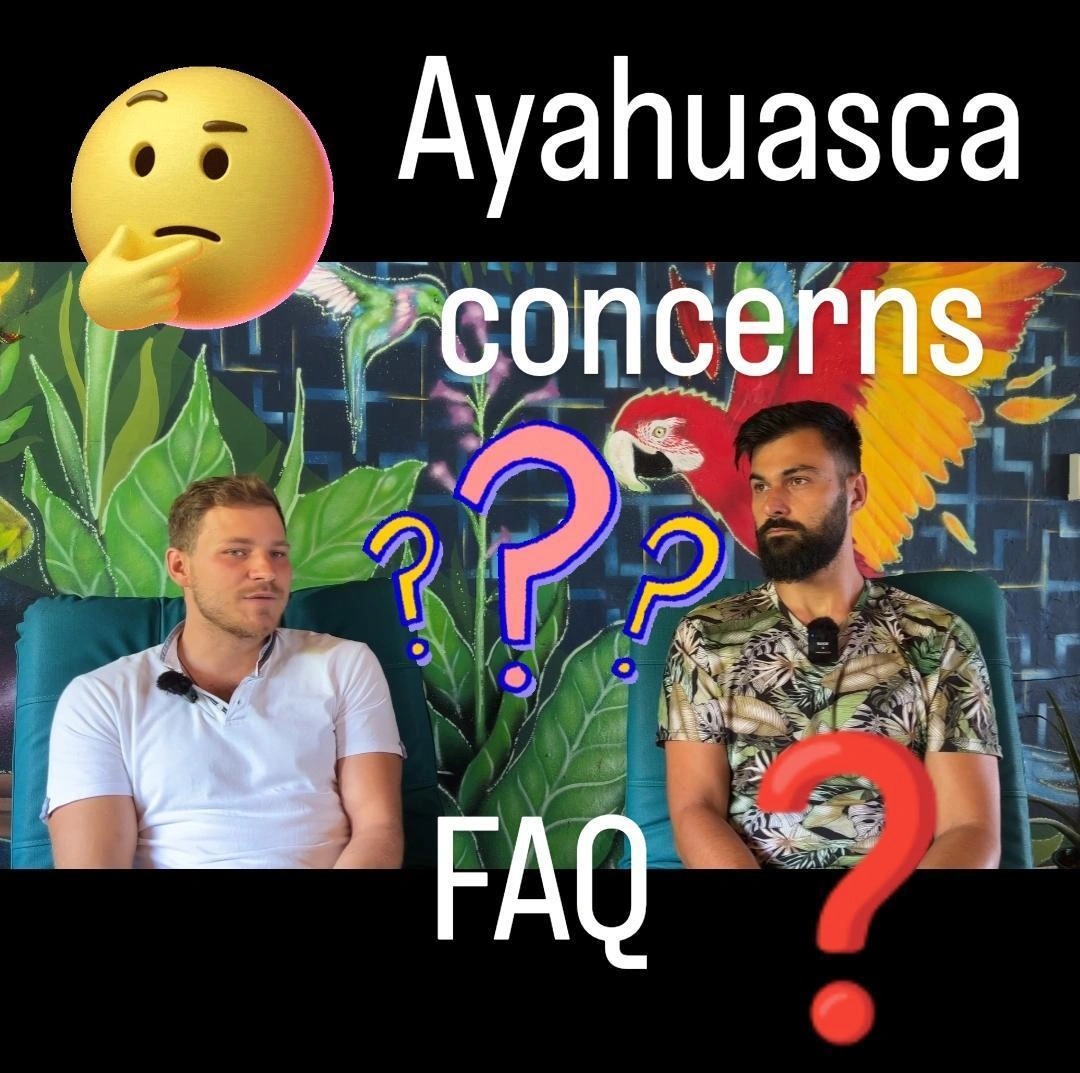
In a candid and rigorous episode of the podcast, hosts Sam Believ and Oliver Glozik tackle a set of the most frequent concerns people voice when they consider participating in an ayahuasca ceremony. Their conversation doesn’t sugar-coat the reality, but rather brings clarity, context and experienced insight to questions often clouded by hype or fear.
The Fear of the Unknown
Many prospective participants approach ayahuasca with anxieties: Will I lose control? Will I break psychologically? Is it safe? Oliver acknowledges that the first concern — the fear of “losing control” — is very real. He says that in the ritual space you are voluntarily entering a different state of consciousness. But that doesn’t mean chaos. With an experienced facilitator, a safe environment and clear intention, you are unlikely to be “lost.” Instead, what tends to happen is you are invited to let go of certain controls and observe what arises — which can feel uncomfortable, but often leads to insight.
Physical Side-Effects and Purging
One of the top concerns is the physical purge: nausea, vomiting, tremors, emotional release. This is commonly expected but not always understood. Sam explains that in the Amazonian tradition, purging isn’t just a side effect — it’s part of the cleansing process. But he emphasises: that does not mean everyone vomits twice and sees demons. The intensity, duration and nature of purging vary greatly depending on dose, environment, individual readiness and health. He also reminds listeners that physical safety demands medical screening, especially for heart conditions, high blood pressure, and other contraindications.
Psychological Risk and Mental Health
Another frequent worry: “Can it trigger psychosis? Will it worsen my anxiety or depression?” The hosts respond that yes, there is risk — especially for individuals with pre-existing serious psychiatric conditions (like schizophrenia) or those mixing medicine with contraindicated medications. They stress that the ceremony is not magic bullet therapy; it’s a deep process. If someone arrives expecting “drink this and be healed,” they might be disappointed and vulnerable. Proper psychological preparation and integration support are critical.
Why Might It Not Work?
Many people fear that they will invest time, money and hope — and walk away with nothing. Sam and Oliver admit this happens. They identify key reasons: unrealistic expectations, poor set & setting, unclear intention, skipping integration, or choosing a retreat without proper support. They argue that failure to work is often not the brew’s fault but the context or the participant’s readiness. The concern is valid, and they invite realism rather than blind optimism.
Safety of the Brew and Facility
Beyond the medicine itself, there’s concern about authenticity and safety of the retreat environment: Is the brew prepared properly? Are the facilitators qualified? Is the environment sterile and supportive? Oliver emphasises that these logistical and ethical issues can be bigger than the plant itself. He advises participants to ask direct questions: What is the facilitator’s experience? How is the medicine prepared? What is the emergency plan? The facility matters.
Integration: What Happens Afterwards?
A high-tier concern is “What happens next?” People often fear they’ll have a powerful night, return home and then drop into disorientation or regression. Sam stresses integration is not optional. Without follow-through — reflection, lifestyle adjustments, community support — many insights fade. The concern here is valid: the most powerful ceremony can be squandered if the integration phase is neglected.
Ethical & Cultural Concerns
Some participants worry about cultural appropriation, environmental impact, and commercialization of a sacred tradition. Sam and Oliver openly address this: the boom in ayahuasca tourism raises questions about respect, sustainability and authenticity. They both invite participants to serve not just their own healing but to enter with humility, cultural sensitivity and ethical awareness.
Legal & Liability Concerns
Another practical concern: legality, liability, insurance, travel logistics. Ayahuasca exists in many legal grey zones internationally. The hosts caution that ignorance of regional laws or retreat regulations can expose participants to risk — not just legal risk but health and safety risk. Understanding local context is part of responsible participation.
Safety for Women, Medication & Contraindications
Women’s health (pregnancy, breastfeeding), medications (SSRIs, MAOIs, anti-hypertensives), and chronic conditions often cause concern. The podcast emphasises that blanket “safe for all” claims are irresponsible. Each person must evaluate medical history, medications, and physiological factors. The concern is not fear-mongering; it’s about real risk variables.
Expectations vs. Process
Finally, a major concern: will this be a spiritual “trip” or real healing? Many fear it will be a wild psychedelic ride without meaning. Sam and Oliver clarify that the ceremony is a process, not a spectacle. Healing typically unfolds over weeks or months after the brew, not only during it. The expectation mismatch is a legitimate concern — and being honest about it is essential.
Based on the Ayahuasca Podcast episode “10 most common concerns about Ayahuasca” with Sam Believ and Oliver Glozik.

Sam Believ is the founder and CEO of LaWayra Ayahuasca Retreat, the best-rated Ayahuasca retreat in South America, with over 520 five-star Google reviews and an overall rating of 5 stars. After his life was transformed by Ayahuasca, he dedicated himself to spreading awareness about this ancestral medicine to help address the mental health crisis. Sam is committed to making Ayahuasca retreats affordable, accessible, and authentic, with a focus on care, integration, and the involvement of indigenous shamans. He is also the host of the Ayahuasca Podcast.