
Key Takeaways
- Ayahuasca visions often feature symbolic imagery such as animals, geometric patterns, spiritual beings, and natural elements that may reflect personal emotions, subconscious thoughts, and inner transformation.
- Symbols experienced during ceremonies can represent healing, rebirth, guidance, emotional release, or spiritual growth, though their meaning is highly personal to each individual.
- Ayahuasca symbolism is not based on rigid universal interpretations, but rather on personal life experiences, intuition, cultural background, and emotional context.
- Integration practices like journaling, artistic expression, reflection, and conversations with experienced guides can help participants better understand and apply the insights from their visions.
Overview
The world of ayahuasca visions is filled with symbols and themes that captivate anyone curious about this profound experience. People often see animal spirits, ancestral figures, and mysterious beings during their journeys. These visions are not just random images but carry deep meanings and guidance, playing a significant role in personal growth and self-awareness. Understanding these symbols can unlock a journey of insight and healing, providing a bridge between the subconscious mind and conscious understanding.
Often, individuals who partake in ayahuasca ceremonies discover powerful revelations through these symbols. For instance, an eagle appearing in a vision might symbolize the quest for freedom and a desire to break free from life’s constraints, encouraging exploration of new horizons. Recognizing such symbols and their messages can be transformative, offering clarity and direction in one’s life.
Each vision is a unique tapestry of personal and universal symbols. While the experiences can vary greatly, the common thread is the way they transcend cultural and personal boundaries, imparting wisdom and healing. This exploration invites each person to engage deeply with their own journey, providing insights that are both challenging and enlightening.
Cultural Background of Ayahuasca
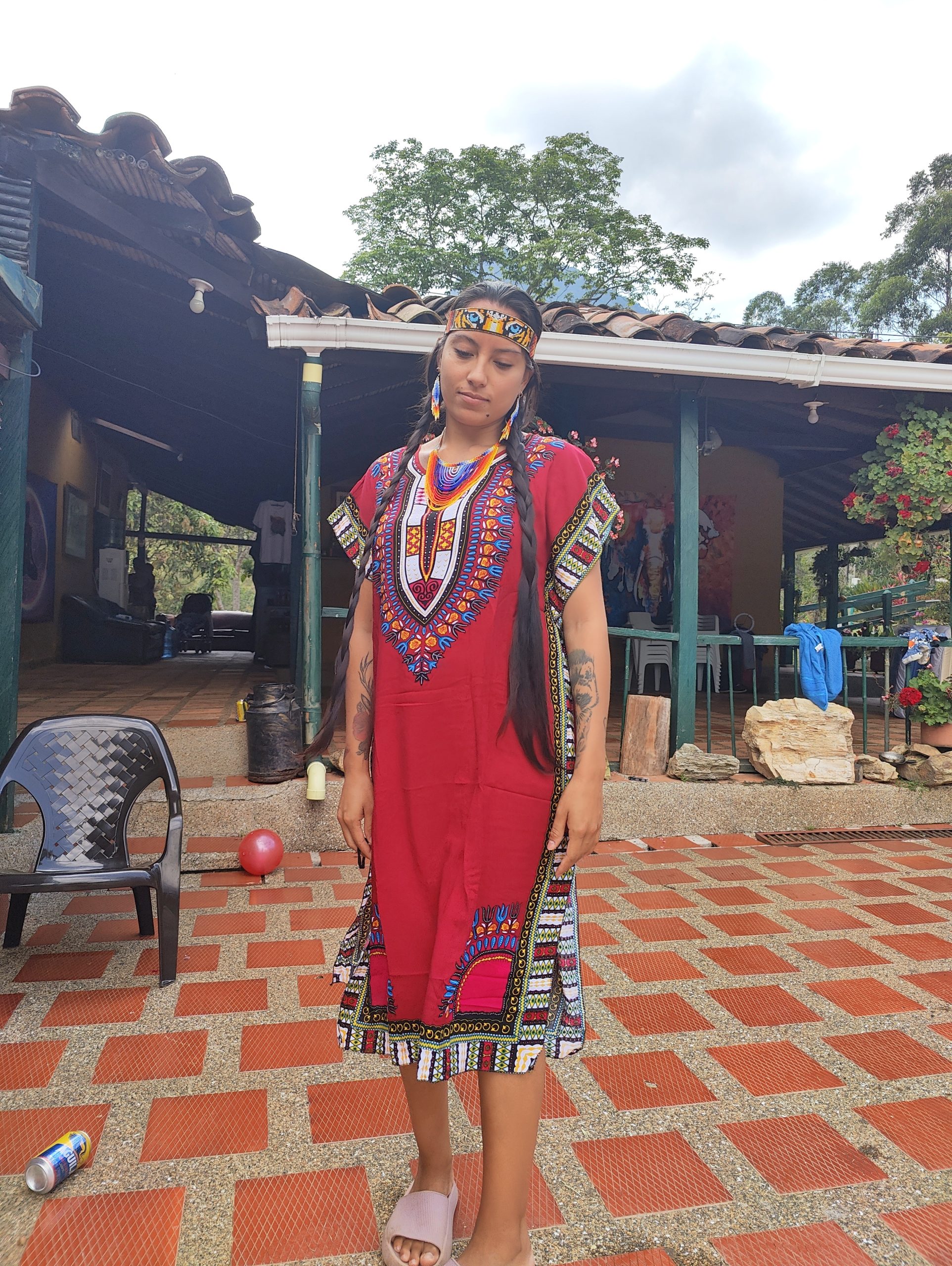
Ayahuasca is a powerful brew with significant historical roots in Amazonian tribes. It also plays a growing role in contemporary spiritual practices around the world.
Historical Use in Amazonian Tribes
Ayahuasca has been a crucial part of the spiritual and healing practices of indigenous Amazonian tribes for centuries. The brew, made from the ayahuasca vine and chacruna shrub, is used by shamans, known as curanderos, during rituals to seek guidance and insight from spiritual realms. Ceremonies typically involve singing, chanting, and sometimes the use of other plant medicines.
The experience varies, often deeply personal, involving visions that include animal spirits and ancestral figures. Rituals can last several hours and are considered sacred, providing insights and healing for both the individual and the community. In the past, these practices were closely guarded secrets, passed down through generations.
Ayahuasca in Contemporary Spirituality
In recent years, ayahuasca’s use has spread far beyond its Amazonian roots, becoming popular among seekers of spiritual awakening and personal growth worldwide. People are drawn to its potential to provide profound insights and transformational experiences. Retreat centers dedicated to ayahuasca ceremonies have emerged globally, offering guided experiences led by skilled practitioners.
Many view ayahuasca as a tool for self-discovery and healing, tapping into the spiritual knowledge and wisdom traditionally sought by indigenous tribes. While its use has become more widespread, ongoing debates about cultural appropriation and ethical practices continue, highlighting the importance of respecting its origins and traditional uses.
Understanding Visionary Experiences
Visionary experiences with ayahuasca are marked by distinct hallucinations, recurring symbols, and personal insights gained from these visions. Recognizing the nature of these experiences can provide deeper understanding and meaning during an ayahuasca ceremony.
The Nature of Hallucinations
Hallucinations during an ayahuasca session are intense sensory experiences that often involve intricate visual patterns and vibrant colors. The mix of the ayahuasca vine and chacruna shrub stimulates this vivid imagery. These hallucinations can be influenced by factors such as the individual’s mindset and the ceremonial setting, adding unique layers to the experience.
Such experiences might feel dream-like, enveloping a person in a different realm. While these visions are not reality, they can trigger real emotions and thoughts, offering chances for personal reflection.
Common Symbols in Ayahuasca Visions
Ayahuasca visions frequently feature certain symbols that hold significant meaning for participants. Many individuals describe encountering spirit guides or animal totems. These figures often provide wisdom or comfort, appearing as animals like snakes or jaguars, which are common in Amazonian cultures.
Symbols in visions might also include geometric patterns or cosmic imagery. Water, fire, and other natural elements may appear, each representing different aspects of the participant’s psyche or journey. Recognizing these symbols can help deepen the interpretive process.
“You’ll often see the snake, the jaguar, the hummingbird. These aren’t random—they’re spirit archetypes. They show up when something in your psyche is ready to be transformed.”
—Hamilton Souther, Blue Morpho Academy
Interpreting Individual Visions
Interpreting visions experienced during an ayahuasca ceremony is a deeply personal process. Each vision’s meaning can vary greatly, depending on the individual’s life experiences and current state of mind.
Some might find the visions offer guidance on personal issues, while others see them as an exploration of their subconscious. It’s beneficial for participants to reflect on these visions after the experience, either through journaling or discussing them with a knowledgeable guide. This reflection can aid in deciphering the symbolic messages embedded in the visionary experiences, leading to personal growth and healing.
“A spider showed up for me in one ceremony. I was terrified. But the more I sat with it, the more I realized it represented the web of thoughts I was stuck in. Ayahuasca teaches through symbol—it doesn’t give you answers, it invites you to listen.”
—Ian McCall, Psychedelic Coach
What Modern Neuroscience Says About Ayahuasca Visions
Recent neuroscience research has started to explore why ayahuasca visions can feel so emotionally powerful and symbolically meaningful. Studies examining psychedelic states suggest that ayahuasca may temporarily reduce activity in the brain’s Default Mode Network (DMN), a system associated with self-reflection, identity, and habitual patterns of thinking. Researchers believe this disruption may allow emotions, memories, and subconscious material to emerge in new and highly visual ways. (OUP Academic)
Other recent studies have explored how ayahuasca appears to increase connectivity in visual regions of the brain, which may help explain the vivid imagery, geometric patterns, emotional symbolism, and dream-like narratives commonly reported during ceremonies. (PMC)
While science still cannot fully explain the meaning of ayahuasca visions, researchers increasingly recognize that these experiences often involve deep emotional processing, autobiographical memory, and altered self-perception rather than random hallucinations alone.
Psychoactive Compounds in Ayahuasca

Ayahuasca is a tea that combines ingredients like the Ayahuasca vine and the chacruna shrub. These plants contain psychoactive compounds that create its unique effects.
DMT and Its Psychological Effects
Dimethyltryptamine (DMT) is the primary active compound in Ayahuasca. DMT is known for producing intense visual and auditory experiences. When ingested, people may see vivid images, hear sounds, or feel emotions they might not usually experience.
DMT affects the brain by interacting with serotonin receptors, which can alter mood and perception. Users often report feeling connected to deeper spiritual truths or encountering entities during their experience. These effects can vary in intensity, depending on different factors like dosage and individual sensitivity.
Beta-Carbolines and Their Role
Beta-carbolines are another key component found in Ayahuasca. These compounds include harmine, harmaline, and tetrahydroharmine. They function as monoamine oxidase inhibitors (MAOIs). This allows DMT, which would otherwise be broken down in the digestive system, to reach the bloodstream and brain.
By inhibiting the breakdown of DMT, beta-carbolines extend and enhance the psychedelic effects. They can also contribute to the visions seen during Ayahuasca ceremonies and may have their own psychological impacts by affecting neurotransmitter systems. The combination of DMT and beta-carbolines is essential to Ayahuasca’s distinctive and profound effects.
The Role of Shamanism
Shamanism plays a critical role in Ayahuasca ceremonies. Shamans are responsible for guiding participants through their experiences and interpreting the visions that occur during the ritual. This section examines the guidance of shamans and the symbolism they use.
The Shaman’s Guidance in Ayahuasca Ceremonies
Shamans are the spiritual guides in Ayahuasca ceremonies. They lead rituals designed to create a safe and meaningful experience for participants. During these ceremonies, shamans use traditional chants, known as icaros, to enhance the spiritual journey.
These chants help participants navigate the complex visions induced by Ayahuasca. The shaman’s presence is vital in maintaining structure and calm, ensuring that each person can fully explore their emotions and thoughts. They also provide support and healing, being well-versed in recognizing any physical or spiritual needs that arise during the ceremony. Their knowledge of natural substances and ancient practices adds depth to each participant’s experience, aiding in spiritual and emotional healing.
“People come out of a vision asking, ‘What did that mean?’ And the shaman might not give a direct answer. Instead, they might sing an icaro to show you. Symbolism isn’t decoded—it’s felt.”
—Sam Believ, Founder, LaWayra
Shamanic Symbolism and Its Interpretation
Shamans are skilled in interpreting the intricate symbols seen in Ayahuasca visions. These symbols often contain deep spiritual meanings and personal insights. Through their understanding of traditional symbolism, shamans can help participants understand their visions.
They recognize the spiritual lessons embedded within the symbols and guide individuals in finding personal significance in these experiences. Shamans often view these visions as messages from the spiritual world, offering wisdom and guidance. By interpreting these symbols, they assist in uncovering hidden emotions or unresolved conflicts. Their interpretations are crucial for integrating the insights gained during the ceremony into daily life.
Many people instinctively search for a universal meaning behind ayahuasca visions, but interpretation is usually much more personal and context-dependent. A snake, jaguar, river, or geometric pattern may hold entirely different meanings depending on someone’s culture, emotional state, memories, or life circumstances.
Some participants interpret recurring symbols through a Jungian or archetypal lens, viewing them as representations of transformation, death and rebirth, fear, healing, or the unconscious mind. Modern psychedelic researchers have also noted parallels between psychedelic experiences and archetypal imagery described in depth psychology. (Wikipedia)
At the same time, indigenous Amazonian traditions often approach visions differently than Western psychology does. In many ceremonial contexts, visions are not always treated as abstract metaphors to decode intellectually, but as direct experiences connected to healing, spirit, nature, ancestry, or emotional purification. Because of this, the meaning of a vision often becomes clearer gradually through reflection, integration, and lived experience rather than immediate analysis.
“Shamans know how to read visions like maps. They don’t see a serpent—they see a call to shed the past. They don’t see a maze—they see initiation. That’s ancestral literacy.”
—Hamilton Souther
Why Ayahuasca Visions Feel So Real
One reason ayahuasca visions can feel extraordinarily real is because the experience often combines emotion, memory, sensory enhancement, and altered self-awareness at the same time. Unlike ordinary dreams, ayahuasca experiences are frequently accompanied by heightened emotional intensity and a strong sense of personal significance.
Researchers studying psychedelic states have found that substances like ayahuasca may temporarily alter communication between brain networks involved in imagination, introspection, emotion, and perception. (OUP Academic)
For many participants, this creates the feeling that visions are not merely “seen” but deeply felt. Even years later, people often describe certain visions as emotionally transformative because they seemed to reveal hidden fears, unresolved grief, personal patterns, or spiritual insights.
Influence of Set and Setting

Set and setting are crucial factors in shaping ayahuasca experiences. They play a role in how users interpret visions and the overall journey. A calming environment and a positive mindset can enhance the experience, while unplanned disruptions can lead to unsettling outcomes.
The Impact of Environmental Factors
The physical space where ayahuasca is consumed significantly impacts the experience. The setting includes lighting, sounds, and even the presence of other individuals.
For many, a quiet environment with dim lighting helps create a soothing atmosphere. Background sounds, such as gentle music or nature sounds, can also aid relaxation. Additionally, the presence of trusted guides or facilitators provides a sense of security. On the other hand, a chaotic or disruptive environment may lead to anxiety or confusion, potentially altering the visions perceived.
The User’s Mindset and Expectations
Mindset refers to a user’s emotions, thoughts, and readiness before consuming ayahuasca. Entering the experience with clear intentions and an open mind can lead to positive outcomes.
Expectations play a critical role. If individuals expect spiritual insight or healing, they may be more likely to focus on those aspects during the journey. Conversely, going in with fear or reluctance might result in challenging experiences. Positive mental preparation is often recommended, such as meditation or mindfulness exercises, to foster a more receptive state.
Together, set and setting create a framework that profoundly influences ayahuasca visions. Each element can either enhance the experience, making it meaningful and insightful, or disrupt it, leading to unwanted challenges.
Scientific Perspectives on Ayahuasca Visions
Scientists are interested in understanding how ayahuasca affects the brain. This brew contains two main compounds: DMT and MAOIs. DMT, or dimethyltryptamine, is a psychedelic substance. MAOIs, or monoamine oxidase inhibitors, help DMT work by preventing it from breaking down quickly in the body.
Research shows that ayahuasca can influence brain activity. It affects the default mode network, which is linked to self-referential thoughts and mind-wandering. Changes in this network might explain the intense visions and altered states of consciousness experienced. Some researchers think these visions may provide insights or perspectives not easily accessed in normal waking states.
Ayahuasca is also being studied for its potential therapeutic effects. Some researchers look into how it might help with mental health issues like depression or PTSD. Initial studies suggest that it could have benefits, but more research is needed to confirm these effects and understand the mechanisms involved.
“Researchers can scan your brain all they want, but they won’t find the spirit of the jaguar there. The true meaning of the vision lives in the integration—the courage to act on what you saw.”
—Ian McCall
The ceremonial use of ayahuasca, especially in Amazonian cultures, adds another layer. Scientists often work with traditional practitioners to gain insights into the brew’s effects. This collaboration helps bridge the gap between modern science and traditional wisdom. By doing so, they aim to capture a more comprehensive view of how ayahuasca works on both biological and psychological levels.
Therapeutic Potential of Ayahuasca
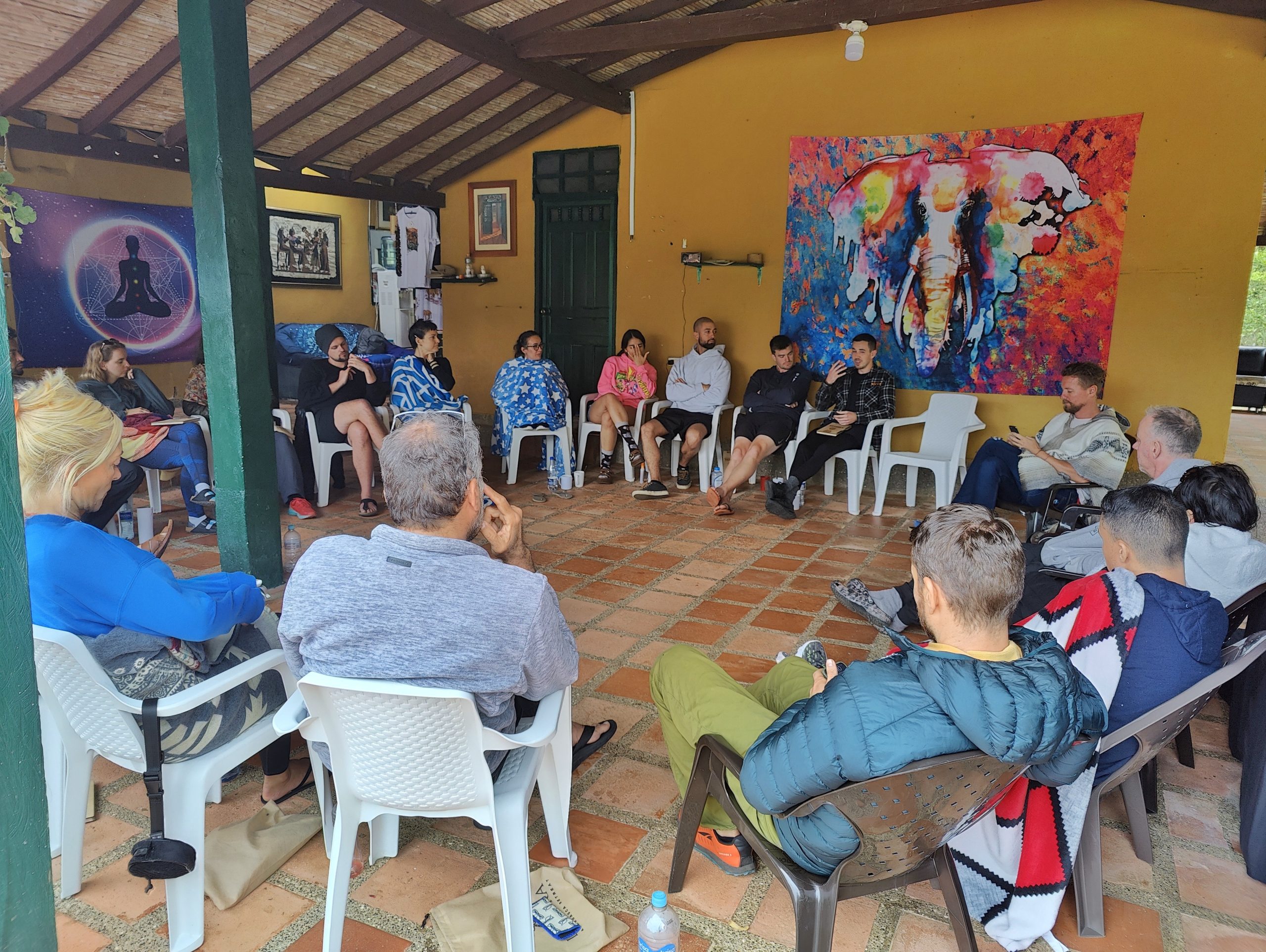
Ayahuasca has been studied for its therapeutic potential, particularly in treating mental health issues like depression and PTSD. Research shows it has promise in modern psychotherapy, helping to heal trauma and stimulate brain growth.
Ayahuasca in Modern Psychotherapy
In recent years, ayahuasca has gained attention in psychotherapy. Studies suggest it might be effective in reducing symptoms of depression and anxiety. The brew contains compounds that interact with serotonin receptors, which is important for mood regulation. Many therapists are exploring ayahuasca as a tool for patients resistant to traditional treatments.
Patients often report relief from persistent mental health symptoms after sessions involving ayahuasca. This relief is attributed to chemical interactions in the brain, which may include the growth of new brain cells and reduced inflammation. Such findings point to ayahuasca’s potential as a supplement to conventional psychological treatments.
Healing Trauma with Ayahuasca
Ayahuasca can offer profound effects in healing trauma. Sessions often lead participants to confront unresolved emotional pain and memories. This confrontation can result in significant emotional release and healing. The brew’s trance-like state allows individuals to explore their subconscious deeply.
People with PTSD and similar conditions report significant benefits. Ayahuasca’s compounds appear to allow for reprocessing traumatic experiences, reducing their intensity. This therapeutic experience can reduce the hold that past trauma has on an individual’s daily life, offering a new perspective and emotional freedom. Reports and studies support these therapeutic effects, although further research is urged for confirmation.
Personal Accounts and Anecdotal Evidence
Many people who have tried ayahuasca talk about their personal experiences. These experiences often include vivid visions, emotional breakthroughs, and new insights about their lives.
Individuals describe their visions as deeply symbolic, often featuring animals, nature, or spiritual beings. Such images can feel intensely real and convey messages that are personally meaningful.
These experiences can be emotional. Some people report feeling a sense of relief from past traumas, while others gain a fresh perspective on personal challenges. This emotional release often comes with a new understanding of one’s life circumstances.
Anecdotal stories suggest that ayahuasca can lead to a variety of life changes. Many report improvements in mental health, experiencing reduced anxiety and depression. These narratives emphasize personal growth and self-discovery.
Ayahuasca ceremonies often take place in group settings. Participants often find a sense of community and support, sharing their experiences with others who have also gone through the journey.
Each personal account varies greatly. The visions and emotional insights are unique from person to person, making it difficult to predict exact outcomes for any individual. This highlights the subjective nature of these spiritual journeys.
“Absolutely life changing. Most hospitable loving humans. The visions I experienced were vivid and layered with symbolism I’m still unpacking weeks later. I felt completely supported in doing that inner work.”
—Marisa C de Baca
“What an amazing experience! If you want to do real work, this is the place. My visions showed me images I didn’t fully understand in the moment, but they’ve continued to unfold meaning. The guidance at LaWayra made all the difference.”
—Geoffrey Taylor
Ethical Considerations and Responsibilities

Ayahuasca use raises important ethical questions. Individuals must consider its cultural origins. Ayahuasca has deep roots in indigenous Amazonian cultures. Using it responsibly requires respect for these traditions.
Cultural Respect
It’s crucial to recognize and honor indigenous knowledge. Participating in ayahuasca ceremonies should involve understanding and respecting the cultural context. Approaching it with genuine curiosity and willingness to learn is key.
Informed Consent
Informed consent is essential in ayahuasca ceremonies. Participants should be fully aware of what the experience entails. Detailed information about possible effects, both physical and psychological, should be provided.
Safety Concerns
Safety is another consideration. Both physical and psychological well-being must be prioritized. Participants should ensure that facilitators have the necessary training to handle various situations.
Personal Responsibility
After experiencing ayahuasca, individuals bear responsibility for their ongoing journey. This includes integrating insights and understanding personal boundaries. Responsibility extends to maintaining well-being and continued growth.
In conclusion, ethical considerations are vital when engaging with ayahuasca experiences. Respect, informed consent, safety, and personal responsibility should guide individuals on their journey.
Frequently Asked Questions
Ayahuasca visions often feature recurring themes like animals, patterns, and symbols, each carrying distinct meanings. These experiences can vary widely but usually provide insights that connect deeply to an individual’s life journey.
What are common themes experienced in ayahuasca visions?
During ayahuasca experiences, individuals frequently encounter themes such as transformation, rebirth, and self-discovery. Visions may bring forth personal memories, spiritual entities, and symbolic landscapes, reflecting subconscious thoughts and emotions.
How do geometric patterns manifest during ayahuasca experiences?
Geometric patterns in ayahuasca visions are vivid and intricate, involving shapes like spirals, grids, and fractals. These patterns often appear in vibrant colors and can shift and flow, enhancing the surreal nature of the experience.
Can the symbolism observed in ayahuasca visions be interpreted universally?
While some symbols, such as animals or archetypal figures, may have widely recognized meanings, the interpretation of ayahuasca visions can be deeply personal. Cultural background and individual life experiences often influence these interpretations.
What might different animals and figures represent in an ayahuasca vision?
Animals in ayahuasca visions usually symbolize various traits or messages. For example, hummingbirds might represent love and new beginnings. Figures like shamans or ancestors can symbolize guidance, wisdom, or unresolved ancestral ties.
How can one discern personal meaning from their ayahuasca vision experiences?
Individuals often find personal meaning by reflecting on their visions and considering how these symbols relate to their lives. Journaling or discussing experiences with trusted guides can help process and integrate insights gained.
In what ways do ayahuasca-induced visions relate to one’s waking life?
Ayahuasca-induced visions may reveal insights into daily challenges, personal growth, or unresolved emotional issues. By highlighting subconscious patterns or offering new perspectives, these visions can influence decisions and inspire changes in one’s waking life.
A Message from the Founder of La Wayra In regards to Symbolism in Ayahuasca
Ayahuasca is more than just a plant medicine; it’s a journey into the depths of your consciousness. One of the most intriguing aspects of this experience is the vivid and symbolic spiritual visions it can produce. These visions are often rich with meaning, offering insights and guidance that can be deeply personal. At LaWayra, we frequently hear from guests about the profound symbolism they encounter during ceremonies, and we believe that understanding these symbols can be a powerful tool for personal growth.
The symbols in ayahuasca visions can vary widely. Some may see animals, geometric patterns, or familiar places, while others experience more abstract imagery. These symbols often serve as metaphors for aspects of your life, emotions, or inner conflicts. For instance, encountering a snake might represent transformation or healing, while a labyrinth could symbolize a journey through life’s challenges. The key is to approach these visions with an open mind and a willingness to explore their meaning.
Interpreting the symbolism in ayahuasca visions isn’t about finding a universal meaning. It’s a personal process, shaped by your experiences, beliefs, and intuition. At LaWayra, we provide a supportive environment where you can reflect on these experiences, share them with others, and gain insights from different perspectives. Our experienced facilitators are there to guide you, helping you navigate the often complex and deeply emotional nature of these visions.
If you’re curious about the potential symbolism in your own ayahuasca journey, we encourage you to explore this aspect with openness and curiosity. For a glimpse into what others have experienced, check out our Instagram for video testimonials or Google reviews. Ready to begin your journey of self-discovery? Book your retreat here.
Looking forward to meeting you at LaWayra!
Best, Sam

Sam Believ is the founder and CEO of LaWayra Ayahuasca Retreat, the best-rated Ayahuasca retreat in South America, with over 520 five-star Google reviews and an overall rating of 5 stars. After his life was transformed by Ayahuasca, he dedicated himself to spreading awareness about this ancestral medicine to help address the mental health crisis. Sam is committed to making Ayahuasca retreats affordable, accessible, and authentic, with a focus on care, integration, and the involvement of indigenous shamans. He is also the host of the Ayahuasca Podcast.