
Key Takeaways
- An authentic ayahuasca retreat is typically guided by experienced shamans, follows traditional ceremony practices (like icaros), and shows respect for indigenous traditions.
- A safe retreat screens for health risks (including medications), has clear emergency plans, and provides support during ceremonies plus post-ceremony integration.
- Affordable retreats often reduce cost through simpler lodging, shorter stays, and smaller amenities, while still offering multiple ceremonies and core facilitation.
Overview
Finding an authentic and affordable Ayahuasca retreat can be a transformative yet budget-friendly experience. Many retreats around the world provide a holistic approach with experienced shamans and natural settings. These retreats often include various amenities like organic meals and community activities, creating a supportive environment for individuals seeking spiritual growth.
Affordable retreats often include multiple ceremonies, workshops, and integration services, ensuring a comprehensive experience. These options allow people from all walks of life to explore Ayahuasca without compromising on the quality of care and authenticity.
One key aspect to consider when choosing a retreat is the size of the group and the level of personal attention provided. Smaller groups, usually with fewer than 25 participants, offer a more intimate and personalized experience. This ensures that each participant receives the guidance and support they need throughout their journey.
Understanding Ayahuasca
Ayahuasca is a traditional plant medicine known for its profound spiritual and psychological effects. It has deep roots in indigenous Amazonian cultures and has been studied for its mind-altering properties and potential healing benefits.
Historical Context
Ayahuasca originates from the Amazon Basin, particularly in Peru, Brazil, Colombia, and Ecuador. Indigenous tribes have used it for centuries to heal the mind and body. They prepare it by brewing the Banisteriopsis caapi vine with the Psychotria viridis leaf. These tribes hold ceremonies led by shamans, who guide participants through their spiritual journey.
During the mid-20th century, Western interest in Ayahuasca began to grow. Researchers and explorers brought back accounts of its impact, leading to scientific studies on its chemical components and effects on human consciousness.
Cultural Significance
In many Amazonian cultures, Ayahuasca is not just a medicine but a sacred ritual. It plays a crucial role in religious and community practices. Shamans, or healers, use it to communicate with the spiritual world, diagnose illnesses, and retrieve knowledge.
Ceremonies are an intimate part of the cultural fabric, involving chanting, music, and specific traditions handed down through generations. This powerful experience connects individuals to their heritage, community, and the natural world, fostering a deep sense of unity and respect for life.
Scientific Overview
Ayahuasca’s active ingredients are DMT (N,N-Dimethyltryptamine) and harmala alkaloids. DMT is a powerful psychedelic compound, producing vivid visual experiences and altered states of consciousness. Harmala alkaloids inhibit the enzyme monoamine oxidase (MAO), allowing DMT to be orally active.
Studies suggest Ayahuasca may help with mental health issues like depression and PTSD by promoting neurogenesis and increased mindfulness. MRI scans show changes in brain regions associated with emotion and self-awareness during Ayahuasca experiences. Research continues to uncover how these effects can contribute to mental health therapies.
Selecting an Ayahuasca Retreat

Choosing the right Ayahuasca retreat involves focusing on authenticity, safety, and location. Each of these criteria plays a crucial role in the experience and outcomes of the retreat.
Criteria for Authenticity
Authenticity in an Ayahuasca retreat depends on several factors. Look for retreats that use traditional Amazonian shamanism methods. Experienced shamans with a deep understanding of Ayahuasca rituals should guide the ceremonies. In addition, check for retreats that incorporate holistic care and spiritual workshops, ensuring a comprehensive approach.
Reviews and testimonials from past participants can offer insight into a retreat’s authenticity. Personal stories and feedback will help gauge the genuineness and quality of the services provided. It’s also important to confirm that the retreat maintains a focus on personal growth and healing.
“For me, authenticity showed up in the little things — the food, the respect shown to the plants, and the way the facilitators never rushed the process. That kind of integrity isn’t something you can fake.”
— Lorenzo S., podcast guest
Safety Considerations
Safety is paramount when selecting an Ayahuasca retreat. Ensure the retreat has clear safety protocols in place. Look for medical check-ups before participating in ceremonies to address any potential health risks. The presence of professional medical staff or emergency protocols is a significant plus.
Retreats should provide thorough integration services to help participants process their experiences. This includes support during the ceremonies and follow-up care. Small group sizes often ensure more personalized attention, which can enhance safety and support.
Location Factors
The retreat’s location can greatly influence the experience. Countries like Colombia, Peru, Ecuador, and Brazil have longstanding traditions with Ayahuasca and well-established legal frameworks. These places often provide a more immersive and traditional experience.
Accessibility is another factor. Some retreats are located deep in the jungle, which may offer a more authentic setting but could be challenging to reach. Consider the available amenities, such as comfortable lodging and organic meals, to ensure a balanced and supportive environment.
Choosing a location that aligns with personal preferences and logistical needs can make a significant difference in the retreat’s overall impact.
Preparing for an Ayahuasca Experience
Getting ready for an Ayahuasca retreat involves careful planning in terms of diet, mental state, and physical health. Each aspect is crucial to ensure a safe and meaningful journey.
Dietary Guidelines
Diet plays a critical role. Participants should start a special diet known as the “dieta” at least two weeks before the retreat. This includes avoiding processed foods, alcohol, caffeine, sugar, and spicy foods. Many also recommend staying away from red meat and excess salt. The dieta can help cleanse the body and mind, creating a more receptive state for the Ayahuasca experience.
Foods to include:
- Fresh fruits and vegetables
- Whole grains
- Nuts and seeds
Foods to avoid:
- Alcohol and caffeine
- Dairy and red meat
- Spices and salt
Mental Preparation
Mindset is just as important. Reflecting on one’s intentions and goals can provide clarity. It’s beneficial to approach the experience with an open mind and heart, free from expectations. Some people find meditation, journaling, or speaking with a counselor helpful. This mental preparation can help in processing emotions and finding personal insights during the retreat.
Steps for mental preparation:
- Set clear, positive intentions
- Practice mindfulness or meditation daily
- Seek guidance or counseling if needed
Physical Readiness
Physical health is another key factor. Regular physical activity, like walking, yoga, or gentle stretching, can help maintain fitness and flexibility. Staying hydrated and well-rested is important too. Participants should also discuss any medical conditions or medications with the retreat organizers to avoid potential interactions with Ayahuasca.
Important physical steps:
- Engage in light exercise daily
- Stay hydrated and get plenty of sleep
- Consult with retreat staff about health concerns
Preparing thoroughly ensures that participants can fully embrace the transformative potential of Ayahuasca. Adhering to these guidelines can create a balanced and harmonious environment for the journey ahead.
Affordability and Accessibility
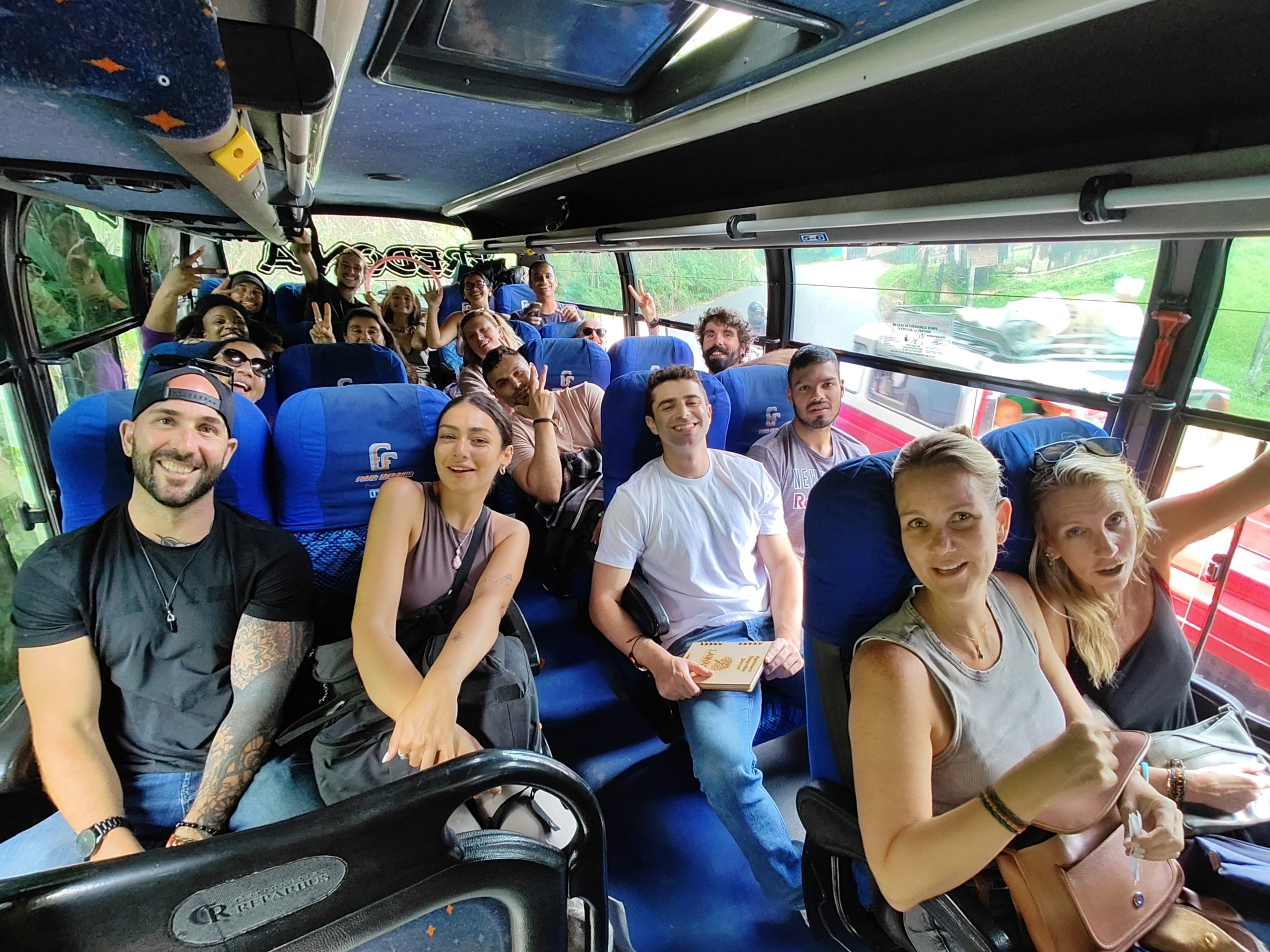
Finding an affordable ayahuasca retreat that provides real and transformative experiences can be a challenge. Below, we break down key ways to budget for your retreat, uncover insights into low-cost options, and explore scholarships and community support available.
“At LaWayra, I didn’t feel like I was on a ‘budget retreat.’ I felt like I was receiving something sacred. The simplicity of the space actually helped me focus more inward. I never once felt like anything was lacking.”
— Daniela T., podcast guest
Budgeting for Your Retreat
When planning for an ayahuasca retreat, understanding the costs involved is crucial. Retreats can range from budget-friendly to luxurious, depending on location, duration, and services offered.
Key expenses to consider include:
- Travel costs: Flights and transportation to the retreat site.
- Accommodation: Lodging provided by the retreat, which can vary greatly in comfort and price.
- Meals: Some retreats include meals as part of the package, often focusing on vegetarian and organic options.
- Ceremonies and workshops: The core of the retreat experience, often included in the overall price.
Creating a clear budget helps in selecting the best retreat within financial means.
Low-Cost Retreat Insights
Low-cost retreats offer an affordable way to experience ayahuasca without compromising on the core aspects of the experience.
Examples of low-cost retreats include:
- Basic facilities: Retreats offering simpler accommodations and limited amenities.
- Shorter durations: 2-3 day retreats are usually cheaper than week-long ones.
- Smaller groups: More intimate settings with fewer participants can reduce costs.
Some budget retreats might not provide extensive integration services, but they still offer genuine and impactful ayahuasca experiences.
Scholarships and Community Support
Many ayahuasca retreat centers understand that the costs can be prohibitive for some participants. Therefore, they offer scholarships and community support programs to make the experience accessible.
Types of support available:
- Scholarships: Partial or full funding to help cover retreat costs.
- Sliding scale pricing: Adjusted rates based on the participant’s financial situation.
- Volunteer opportunities: Work exchanges where participants can contribute skills in return for reduced fees.
Exploring these options can make attending an ayahuasca retreat possible for those with limited financial resources, ensuring everyone has the opportunity for this transformative experience.
The Retreat Experience
The retreat experience is designed to guide participants through the ayahuasca journey with structured ceremonies, knowledgeable facilitators, and a thoughtful integration process. Each element ensures a safe and transformative journey.
Ceremony Structure
Ceremonies typically take place at night and last several hours. Participants sit or lie down in a circle around a central altar. The environment is calm and prepared, often by lighting candles and burning incense. Ayahuasca is served by the shaman or facilitator, and participants drink it one by one.
During the ceremony, traditional songs, known as icaros, are chanted to guide participants. These songs help channel the plant’s energy. Some retreats include meditation or breathing exercises to aid in managing emotions and visions. Safety and comfort are prioritized; facilitators monitor participants’ well-being throughout.
Facilitator Roles
Facilitators play critical roles. They are usually experienced shamans or healers with a deep understanding of ayahuasca’s effects. Shamans lead the ceremonies, chant icaros, and provide spiritual guidance. They may offer personal support to participants during intense or challenging moments.
Helpers or assistants ensure the physical safety of attendees. They offer blankets, water, or a comforting presence if needed. They also maintain the ceremony’s atmosphere, allowing participants to fully immerse in their journeys. Facilitators sometimes conduct one-on-one sessions before and after ceremonies to address individual concerns and intentions.
“What I really appreciated was that the facilitators weren’t just there to serve the brew — they held space in a way I didn’t know was possible. Their care, their songs, their presence — it created a sense of safety that made deep healing possible.”
— Rodrigo M., podcast guest
Integration Process
The integration process helps participants make sense of their experiences after the ceremony. This can include group discussions, personal reflection, and professional counseling. Participants are encouraged to share their journeys and insights, fostering a supportive community.
Some retreats offer written materials or workshops to aid integration. Techniques like meditation, journaling, and artcan be suggested to process emotions and memories. The goal is to incorporate the lessons learned into daily life, ensuring lasting positive impacts. Proper integration is crucial for a fulfilling ayahuasca experience.
Legal and Ethical Considerations
Before deciding on an Ayahuasca retreat, it’s crucial to know the legal status of Ayahuasca in the retreat’s location and ensure that the center respects indigenous traditions and promotes sustainability.
Understanding the Law
Ayahuasca is used for its psychoactive properties and healing potential. Its primary active ingredient, DMT (N, N-Dimethyltryptamine), is classified as a controlled substance in many countries. Consequently, the legal status varies widely:
- United States: Ayahuasca’s legal status is complex and often falls under federal and state regulations governing controlled substances.
- South America: Countries like Peru, Brazil, and Colombia have legalized Ayahuasca for religious and traditional use.
Checking the legal framework helps avoid legal complications. Verify the retreat adheres to local laws and regulations.
Respecting Indigenous Traditions
Ayahuasca has roots in indigenous cultures and spiritual practices. It’s essential to choose a retreat that honors and respects these origins. Look for centers that:
- Source Ayahuasca ethically: Ensure they use sustainable practices and respect local ecosystems.
- Work with indigenous healers: Authentic retreats often employ experienced shamans and healers from indigenous communities.
- Support local communities: Choose retreats that contribute positively to the well-being of local people and preserve their traditions.
Respecting these traditions enriches the experience, promoting sustainability and cultural respect.
Testimonials and Reviews
Many people who have attended Ayahuasca retreats share their experiences through testimonials and reviews. These firsthand accounts can offer valuable insights.
“LaWayra was the most affordable option I found after weeks of research — but what I got was far beyond what I paid. The intimacy of the small group, the depth of care, and the authenticity of the ceremonies changed my life.”
— Review by Anna V.
Positive Feedback
Many attendees highlight the transformative nature of the retreats. For example, numerous reviewers report emotional and spiritual breakthroughs. They describe the experience as life-changing and commend the knowledgeable shamans and facilitators.
Comfort and Care
Participants often mention the excellent care they received. Many reviews appreciate the comfortable accommodations, nutritious meals, and comprehensive integration services.
Group Sizes
Reviews also highlight the value of small group sizes. Smaller groups allow for personalized attention and create a supportive community atmosphere.
Healing and Wellness
Several testimonials note significant improvements in mental health. People have found relief from anxiety, depression, and past traumas. Most reviews praise the holistic approach, including activities like meditation and workshops.
Comparison Table
| Retreat Aspect | Positive Reviews |
|---|---|
| Transformative Experience | Emotional and spiritual breakthroughs; life-changing |
| Care and Comfort | Excellent care, comfortable accommodations |
| Group Sizes | Personalized attention, supportive community |
| Healing and Wellness | Improvements in mental health and holistic approach |
Constructive Feedback
While most reviews are positive, some attendees mention areas for improvement. Few reviews note the importance of being prepared for the intense experience. Others suggest strengthening the integration sessions post-retreat.
Conclusion
Testimonials and reviews play a crucial role in understanding what to expect from an Ayahuasca retreat. They provide real-world insights from previous participants, helping future attendees make informed decisions.
Post-Retreat Support
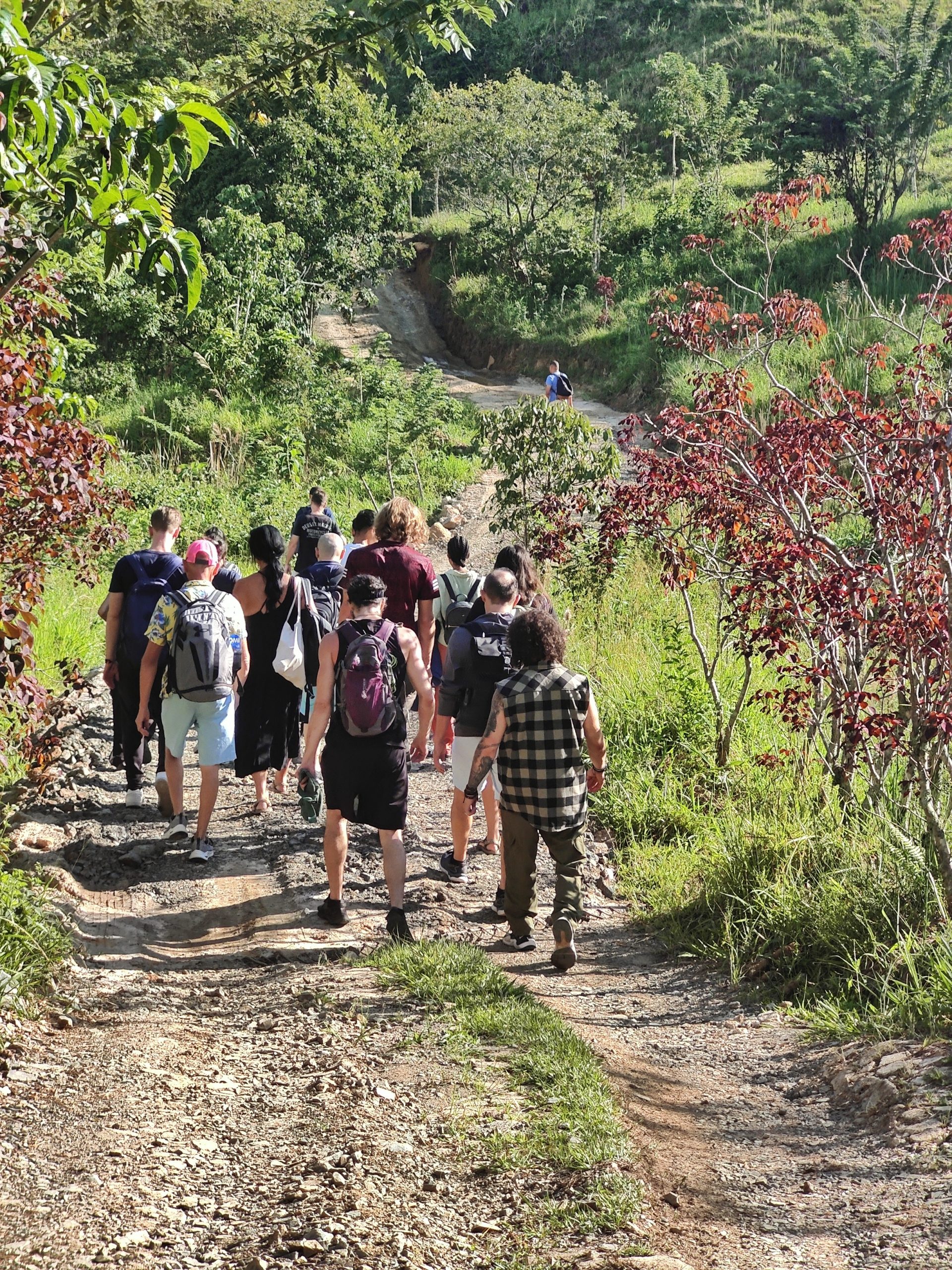
Post-retreat support is essential for participants to fully integrate their Ayahuasca experience. Many retreats offer support services to help individuals process their journey.
Integration Services: Most retreats provide integration services, such as:
- Counseling sessions
- Workshops
- Group discussions
These services help participants understand and benefit from their experiences.
Online Support: Many retreats also offer online support after the retreat. This can include:
- Video calls with facilitators
- Online community groups
- Email check-ins
These resources help participants feel connected and supported, especially when they return home.
“Even after I left Colombia, the support didn’t stop. I had integration calls with the team at LaWayra that helped me make sense of the shifts. It wasn’t just a retreat — it was a full container for change.”
— Review by Christine H.
Holistic Therapies: Retreats may include holistic therapies to aid post-retreat integration:
- Yoga sessions
- Meditation practices
- Nutritional advice
These therapies promote overall well-being and help maintain the positive effects of the retreat.
Long-Term Plans: Creating a long-term plan is another important aspect of post-retreat support. This might involve:
- Setting personal goals
- Developing new habits
- Adjusting lifestyle choices
These plans help participants continue their growth and healing journey.
Tables and Lists:
- Therapies: Yoga, Meditation, Nutritional advice
- Services: Counseling, Workshops, Group discussions
- Online Support: Video calls, Community groups, Email check-ins
- Long-Term Plans: Setting goals, New habits, Lifestyle adjustments
Conservation and Sustainability Efforts
Ayahuasca retreats often emphasize conservation and sustainability. Many retreats are located in the heart of rainforests and work hard to protect these areas. Efforts include reforestation programs and partnerships with local communities to ensure the land remains healthy and thriving.
Some retreats use sustainable harvesting practices for the plants needed to brew ayahuasca. They ensure the upkeep of plant populations while meeting visitor needs.
Community engagement plays a big role. Retreats may fund local schools, clinics, and other social projects, ensuring that the benefits of tourism extend to residents. This help fosters a stronger relationship between the centers and the communities.
Many retreats aim for a low carbon footprint. They might utilize solar panels, rainwater collection systems, and organic farming techniques. These methods lower their environmental impact and promote a greener lifestyle.
Waste management is another key focus. Retreats often employ strict recycling and composting protocols. This helps reduce pollution and ensures a cleaner environment for both participants and wildlife.
Ayahuasca retreats often educate visitors on sustainable practices. They might hold workshops on conservation, teaching guests how to implement these methods in their daily lives.
Combining these efforts, retreats not only provide spiritual experiences but also contribute to the health and sustainability of their surroundings. They become models of how to live in harmony with nature, showing that spiritual growth and environmental care can go hand in hand.
Frequently Asked Questions
Finding an affordable yet authentic ayahuasca retreat involves considering costs, authenticity, and personal goals. Here, specific factors like credentials, location, culture, and past attendee reviews can help guide your choice.
How can I find an affordable ayahuasca retreat that offers an authentic experience?
To find an affordable and authentic ayahuasca retreat, start by researching locations where retreats are commonly held, such as Colombia, Ecuador, or Peru. Look for reviews and testimonials. Verify the credentials of the shamans and check what is included in the fee, like meals and accommodation.
What are the typical costs associated with attending an ayahuasca retreat?
The cost of an ayahuasca retreat can vary. In South America, prices generally range from $800 to $2,000 for a week-long retreat. At our retreat LaWayra, we offer affordable all-inclusive retreats in that price range. This often includes lodging, meals, and multiple ceremonies. In the U.S., the cost might be higher due to different living standards and regulations.
What factors should I consider when choosing an ayahuasca retreat for the best experience?
Consider the experience and credentials of the shamans, the support provided during ceremonies, and the integration support afterward. Also, think about the setting of the retreat, including the environment and accommodations. Participant reviews can give insights into what to expect.
Can ayahuasca retreat experiences lead to personal transformation, and how?
Ayahuasca retreats can lead to personal transformation by helping individuals connect with their inner selves. Participants often report gaining insights into their life’s purpose and experiencing spiritual growth. The guidance of shamans in a supportive environment plays a crucial role in this process.
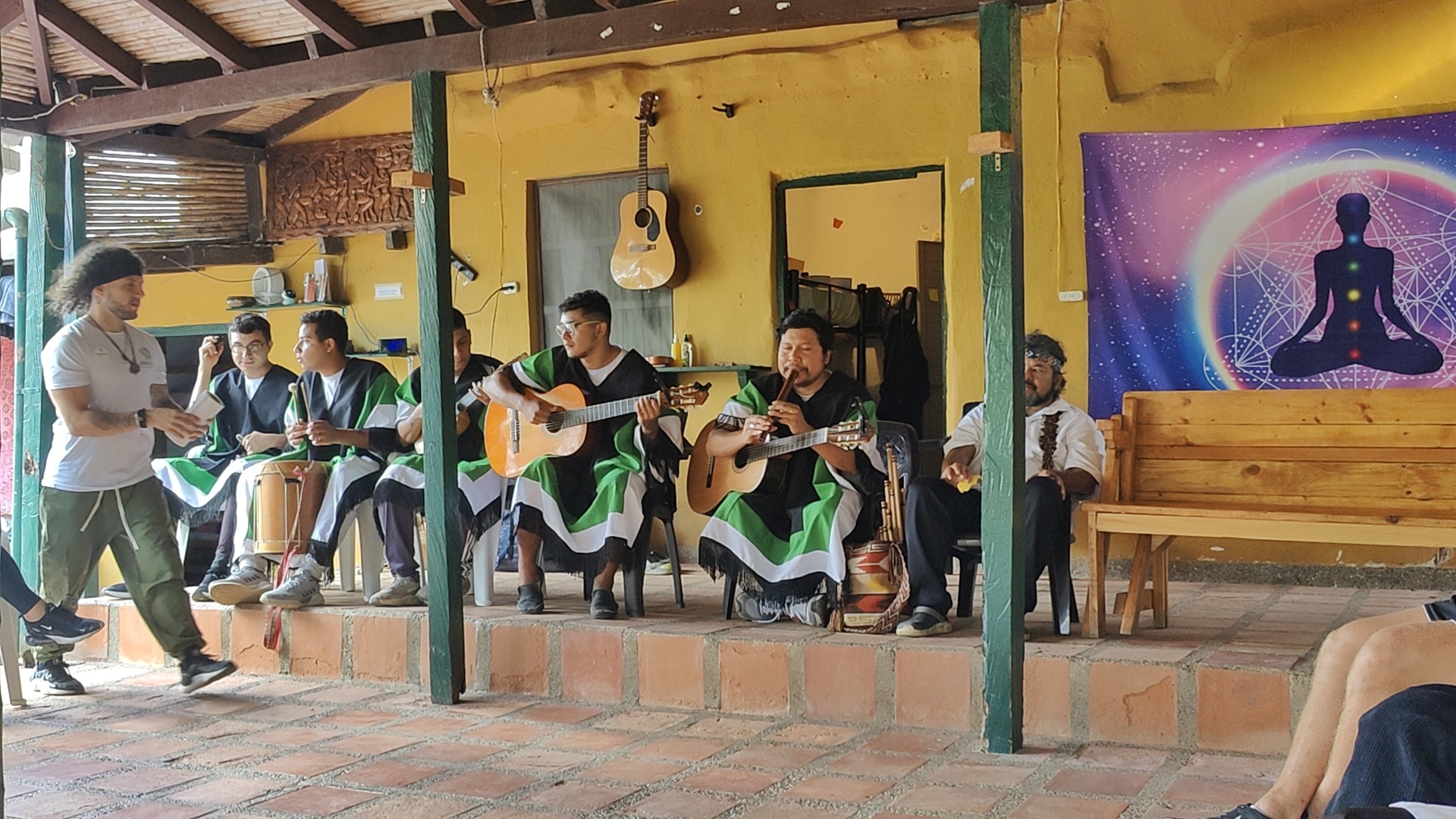
A Message From The Founder Of La Wayra In Regards To Finding an Authentic Affordable Ayahuasca Retreat
Hey there,
I’m Sam Believ, the founder of LaWayra. I wanted to take a moment to share a bit about our authentic and affordable ayahuasca retreat located near the beautiful Medellin, Colombia. At LaWayra, we believe in creating a personal and transformative experience without breaking the bank.
Our retreats are designed for medium-sized groups, with around 5 to 25 participants per week. This size allows us to maintain a close-knit and supportive environment, ensuring that everyone gets the attention and care they need. We understand that the journey with ayahuasca is deeply personal, and we’re here to guide you every step of the way.
What sets LaWayra apart is our genuine commitment to affordability and authenticity. We’re passionate about making this life-changing experience accessible to as many people as possible. We don’t cut corners on quality; we simply believe that healing and personal growth shouldn’t come with an exorbitant price tag.
If you’re considering taking this step, I invite you to read some of the heartfelt reviews from past participants on our Google reviews. Their stories speak volumes about the impact of our retreats.
Ready to embark on your journey? Book your spot here and take the first step towards transformation.
Looking forward to welcoming you to our LaWayra family.
Warm regards,
Sam Believ
Founder of LaWayra

Sam Believ is the founder and CEO of LaWayra Ayahuasca Retreat, the best-rated Ayahuasca retreat in South America, with over 520 five-star Google reviews and an overall rating of 5 stars. After his life was transformed by Ayahuasca, he dedicated himself to spreading awareness about this ancestral medicine to help address the mental health crisis. Sam is committed to making Ayahuasca retreats affordable, accessible, and authentic, with a focus on care, integration, and the involvement of indigenous shamans. He is also the host of the Ayahuasca Podcast.